











The end of the year gets busy fast in a salon.
Holiday appointments fill the calendar.
Clients want fresh color before family photos anad gatherings.
Gift cards and retail start moving.
Everyone is trying to squeeze in “one more appointment”.
And somewhere between the foils, blowouts, reschedules, and holiday parties, you are also supposed to figure out how your salon performed financially this year.
Fun.
But year-end financial planning does not need to turn into a week-long spreadsheet marathon.
A few smart checks now can help you understand where your money went, avoid unnecessary spending, prepare for tax season, and start the new year with a much clearer picture of what your salon actually needs.
Here’s where to start.
1. Take a Real Inventory Count
You probably know approximately what is sitting in your color room.
But approximations are not the same as actually knowing.
Before placing another large order, take inventory of what you already have.
Look at:
● Color & developer
● Foils
● Balayage film
● Gloves
● Brushes
● Clips
● Bowls
● Towels & capes
● Cleaning & sanitation products
● Retail inventory
● Backbar products
● Disposable supplies
● Frequently replaced tools
● …and all of your other “most used” products.
Pay particular attention to products hiding behind boxes or hidden away in drawers.
That box of foils someone ordered six months ago?
The three nearly full bottles of something nobody uses anymore?
The pile of brushes that technically exists but no one uses?
That is money sitting on a shelf.
A year-end inventory count gives you a much better starting point for deciding what really needs to be reordered.
2. Look for Products You Are Overbuying
Running out of supplies is frustrating.
Overbuying them is expensive.
Review what you purchased throughout the year and compare it with what your team realistically used.
You may discover that you consistently order too much of one product while somehow running out of another every three weeks.
Ask:
● Which supplies do we reorder most often?
● Which products sit unused?
● Are stylists opening new products before finishing old ones?
● Are we ordering too many variations of essentially the same thing?
● Are we throwing away usable supplies?
● Are we buying products for services we rarely perform?
Your ordering system does not need to be complicated.
For many salons, a simple minimum and maximum inventory level for frequently used products is enough.
When something reaches the minimum, reorder it.
When you already have the maximum, stop buying it.
Revolutionary? No.
Helpful? Absolutely!
3. Pay Attention to Waste
Not all salon expenses show up as a big obvious purchase.
A little extra product here.
Three unused foils there.
Supplies getting damaged because they are stored poorly.
Disposable products being used when they do not need to be.
Individually, none of these things feel significant.
Multiply them by several stylists, several clients a day, and 12 months?
Now they matter.
Look at services where waste happens most often and determine whether the problem is technique, organization, ordering, or workflow.
For color services, tools that allow stylists to customize materials as they work can also help reduce unnecessary product use.
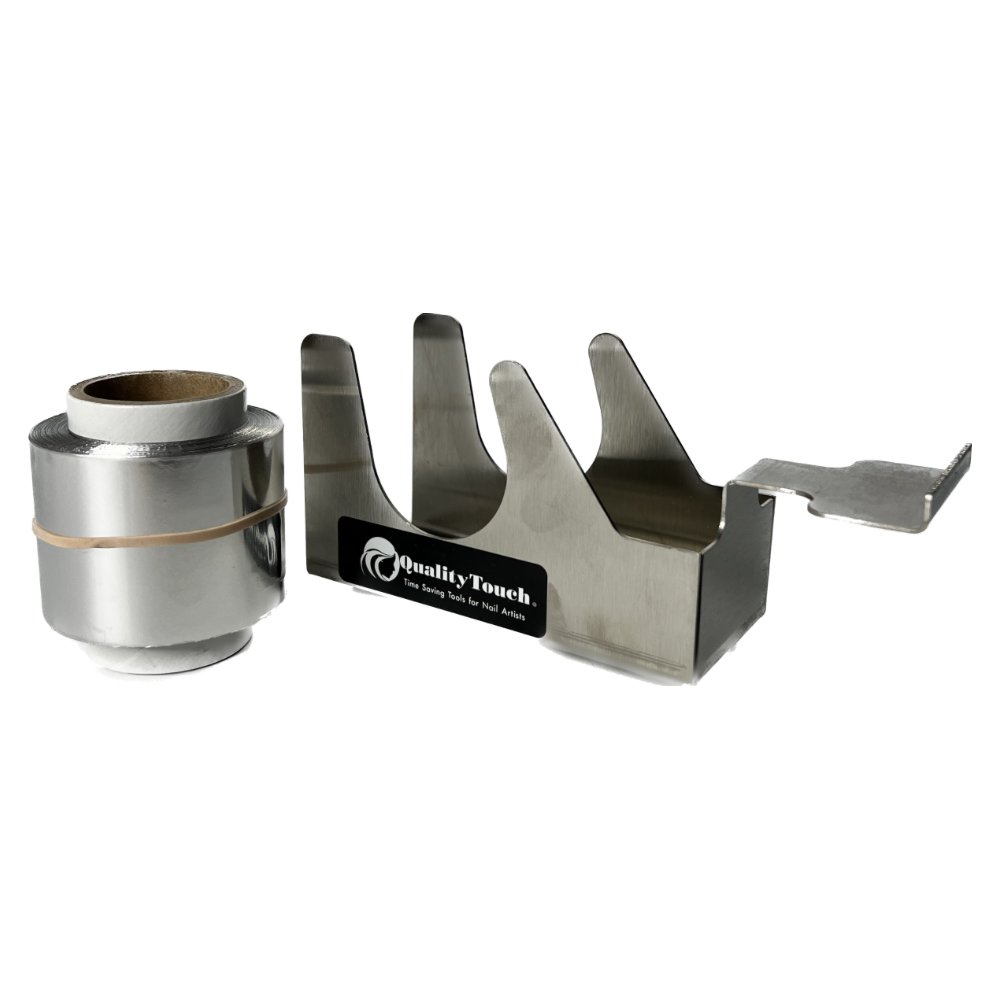
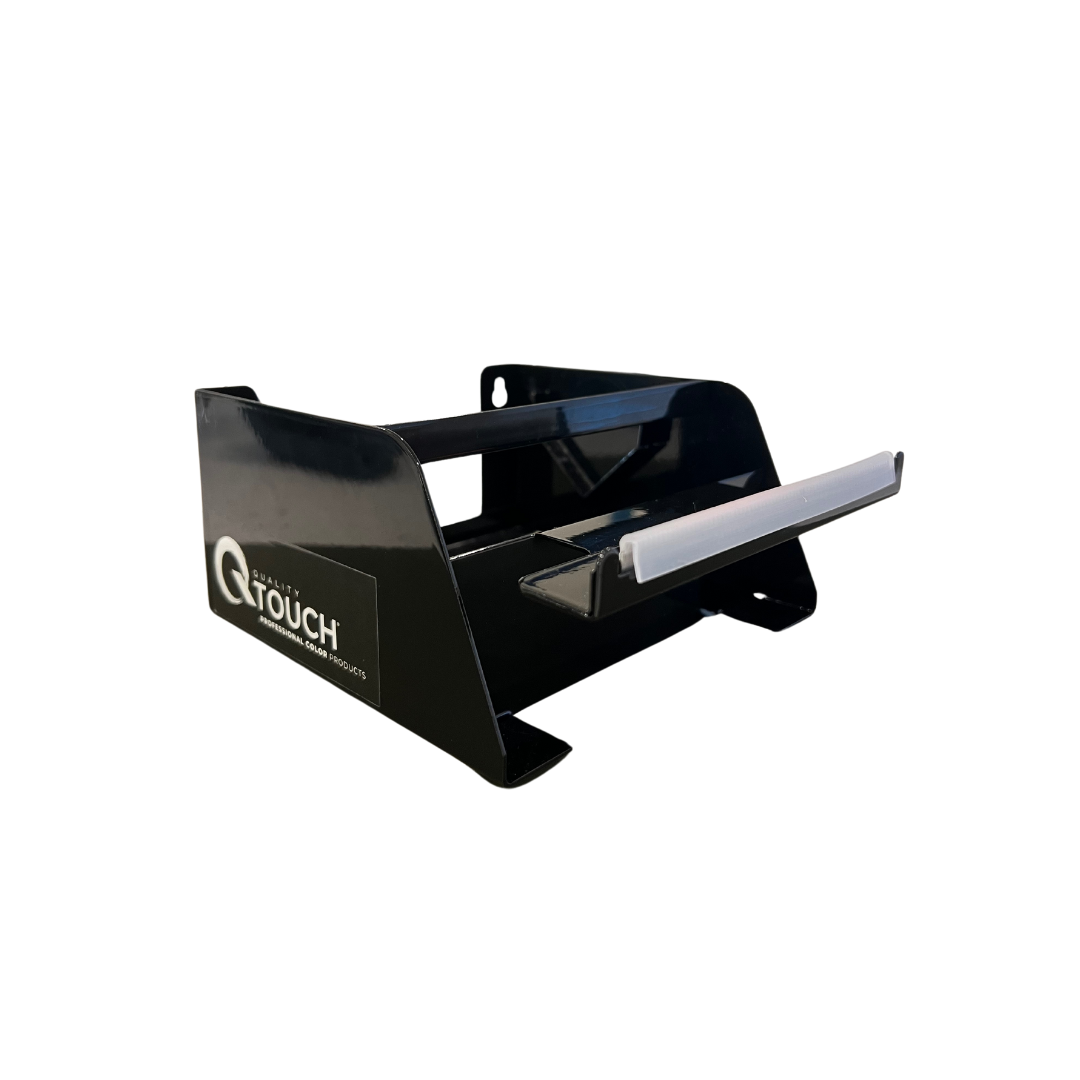
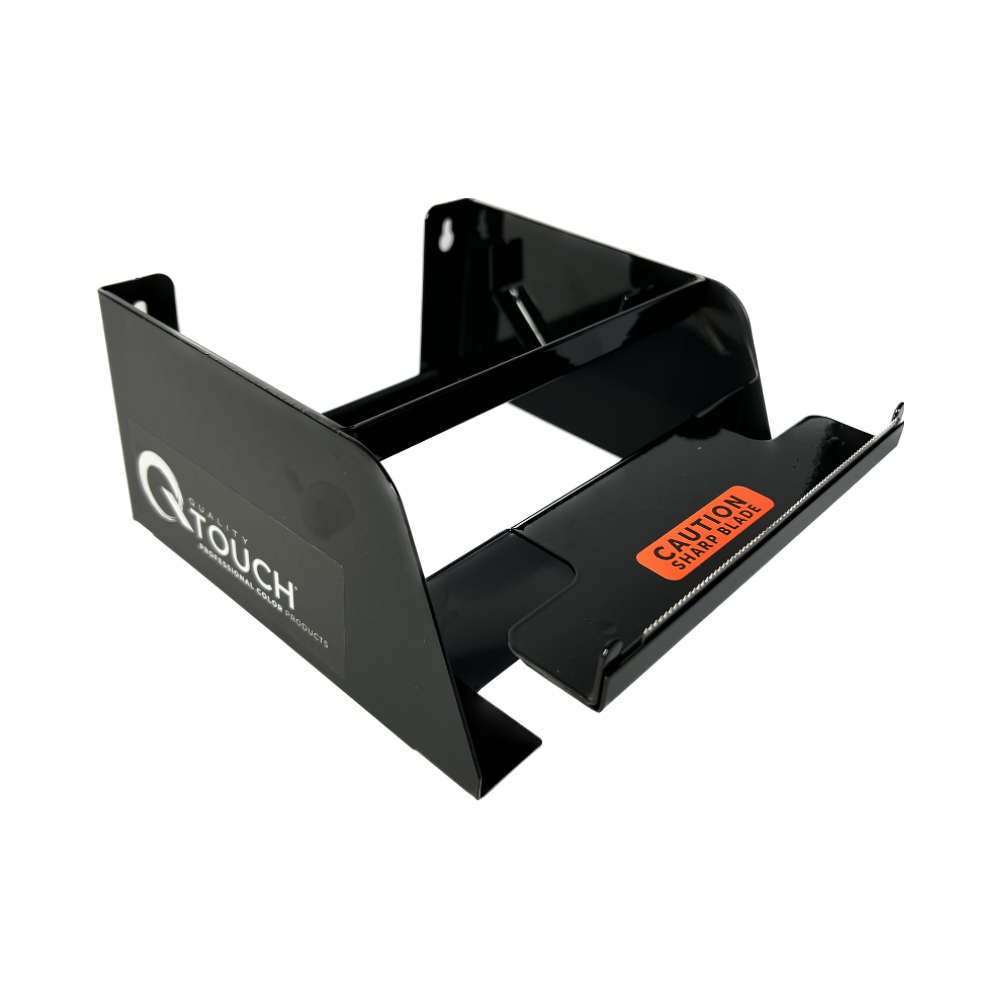
For example, the Quality Touch Rollmate 1 lets stylists customize foils and films to the length needed instead of pre-tearing stacks ahead of time. The Rollmate 2 holds two rolls at once for stylists who regularly work with multiple materials and need more storage. QTouch specifically designed both systems to reduce prep and unnecessary material waste.
The goal is not to become obsessed with every inch of foil.
The goal is to notice repeated waste that can be fixed without making anyone’s job harder.
4. Review Your Biggest Expenses
Pull up your expenses for the year and sort them into broad categories.
For example:
● Rent
● Payroll or booth-related expenses
● Salon supplies
● Color & backbar
● Retail inventory
● Software
● Marketing
● Education
● Insurance
● Utilities
● Equipment
● Repairs & maintenance
● Professional services
● Cleaning
● Subscriptions
Now look for surprises.
Maybe your color costs increased considerably.
Maybe you are paying for software nobody uses.
Maybe three small subscriptions quietly became twelve.
Maybe your marketing budget is higher than expected but is generating consistent new clients.
The goal is not automatically to cut expenses.
Some expenses help you make more money.
Others simply make money disappear.
You need to know which is which.
5. Cancel the Things Nobody Uses
Salons accumulate subscriptions just like everyone else.
Booking apps.
Design software.
Music services.
Email platforms.
Extra storage.
Educational memberships.
Apps someone downloaded for a free trial and forgot about nine months ago.
Review recurring charges before the end of the year.
For every subscription, ask:
Do we actually use this?
If yes, great.
If no, cancel it.
6. Review Your Cost Per Service
This is one of the most important numbers salon owners and independent stylists can understand.
Choose your most popular services and look at what goes into performing each one.
Think about:
● Color
● Developer
● Foil & film
● Gloves
● Treatments
● Shampoo & conditioner
● Styling products
● Disposable materials
● Time
● Assistant time, if applicable
● Payment processing fees
● Other direct costs
After you calculate the overall cost, compare it with what you charge.
A service can have a high price and still produce a disappointing profit if it takes too long or requires significantly more product than expected.
This is especially important for services that have gradually become more complex while the price has stayed the same.
That four-hour blonding service you priced three years ago may not have the same profitability today, if you haven’t reevaluated its cost in a while.
7. Look at Your Appointment Mix
Revenue alone does not tell the whole story.
Look at what actually filled your calendar this year.
Which services were booked most often?
Which services brought clients back consistently?
Which appointments regularly ran behind?
Which services required the most product?
Which ones were easiest to perform profitably?
Which services do clients keep requesting?
You may realize that one area deserves more promotion next year.
Or that another needs a price adjustment.
Or that a service you thought was incredibly profitable actually eats half of the day.
Your appointment history is one of the best tools you have for planning the next year. Use it wisely.
8. Review Retail Without Guessing
Retail inventory can be especially tricky.
You want enough product available when clients want to purchase it.
You do not want thousands of dollars sitting on a shelf indefinitely.
Review:
● Best sellers
● Slow movers
● Seasonal products
● Products with multiple duplicates
● Items frequently requested but unavailable
● Products that have been sitting too long
Use that information when placing your next order.
Your shelves do not need to look like a beauty supply warehouse.
Carry what your clients actually buy.
9. Make Smart Year-End Purchases, Not Random Ones
Seeing money left in the business account does not mean December is the time to go on a salon shopping spree.
Before purchasing equipment or supplies, ask:
Will we realistically use this next year?
Replacing damaged tools?
Reasonable.
Restocking materials you use every day?
Makes sense.
Buying fourteen trendy products because they looked cute on Instagram?
Maybe think about that one a little harder.
If you are upgrading your color setup, consider buying tools that improve the workflow you already have instead of adding more clutter.
QTouch’s Professional Artist Kits combine Rollmates with frequently used color materials for stylists looking to build or refresh a station.
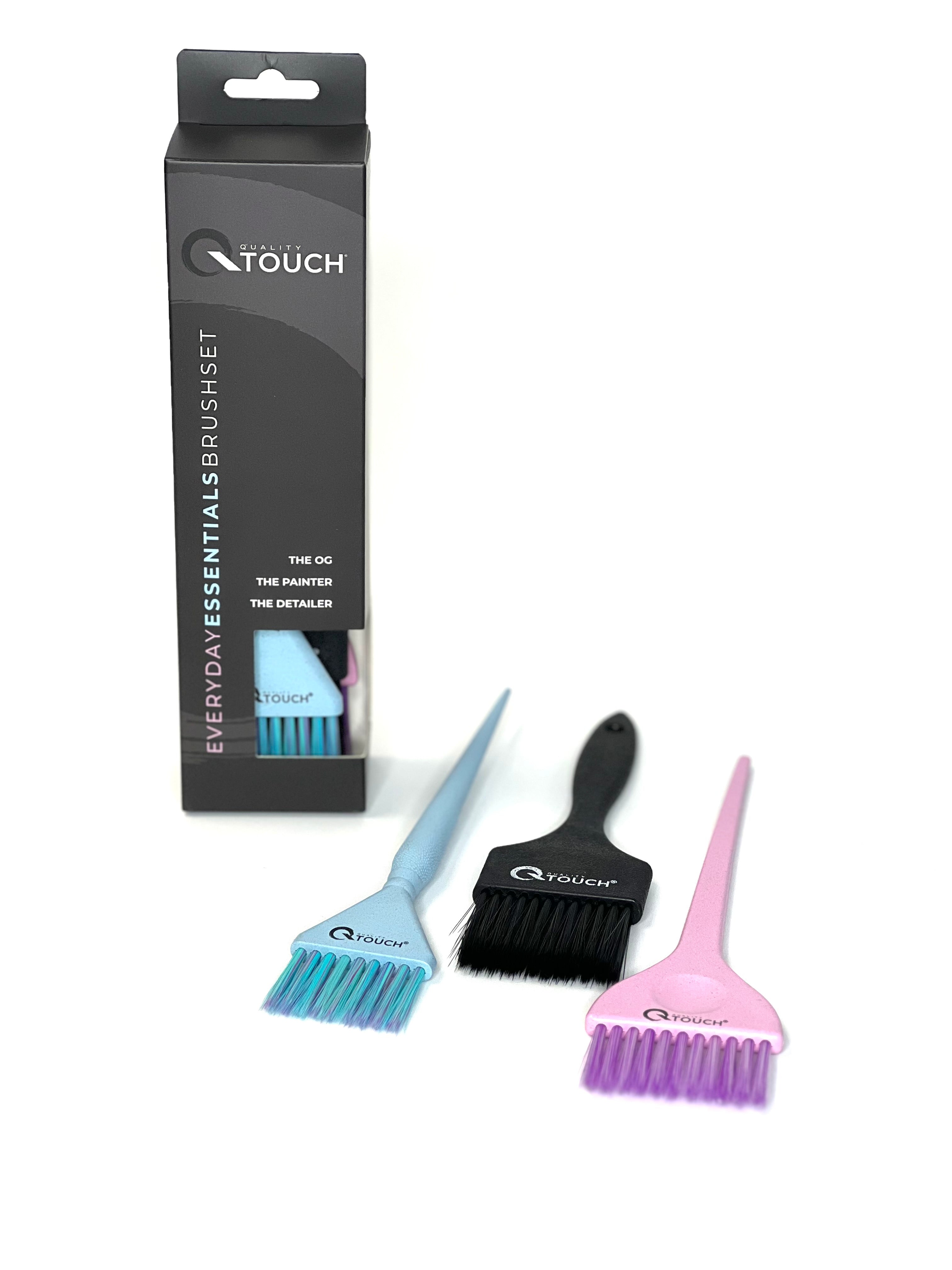
And if brushes are the thing that your stylists consistently need more of, Quality Touch also offers its Everyday Essentials Brush Set Bundle, which includes brushes for general application, precision work, balayage, and blending.
Buy intentionally.
Not emotionally.
10. Build a Simple Budget for Next Year
You do not need a 47-tab spreadsheet.
Start with the big numbers.
Estimate:
Expected monthly revenue
Then list your typical:
● Fixed expenses
● Payroll
● Product costs
● Marketing expenses
● Software
● Education
● Maintenance
● Other operating costs
Add room for unexpected expenses.
Because something will break.
Something always breaks.
Then identify money you intentionally want to set aside for things like:
● Education
● New equipment
● Marketing
● Salon improvements
● Team events
● Emergency savings
A budget gives those purchases a place instead of making every expense feel like a surprise.
11. Set an Education Budget
Salon education can easily become either an afterthought or an impulse purchase.
Neither is ideal.
Decide how much you or your team realistically want to invest in education next year.
Then think about where that education could have the greatest impact.
Maybe it is:
● Advanced blonding
● Color correction
● Cutting
● Extensions
● Business management
● Social media
● Consultations
● Retail
● Leadership
● Speed and efficiency
Choose education that supports the services, clients, and goals you actually want next year.
12. Get Your Financial Information Organized Early
Tax preparation gets much easier when you are not searching through a year of random emails, receipts, and screenshots at the last minute.
Before the year ends, organize:
● Receipts
● Invoices
● Business purchases
● Contractor information
● Mileage or travel records
● Equipment purchases
● Education expenses
● Software expenses
● Marketing expenses
● Financial statements
And talk with your accountant or tax professional about what documentation they need from you.
Tax rules and individual situations vary, so this is one area where TikTok should probably not be your go-to source for help.
13. Choose Three Financial Goals for Next Year
Not 25.
Just three.
For example:
● Reduce wasted color and supplies
● Increase average revenue per appointment
● Build three months of operating savings
Or:
● Increase rebooking
● Reduce unnecessary subscriptions
● Grow retail sales
Or:
● Raise prices on underpriced services
● Invest in advanced education
● Improve inventory management
Make the goals specific enough that you can actually tell whether you accomplished them.
“Make more money” is a wish.
“Increase average ticket by 10%” is something you can track.
Final Thoughts: Where Your Money Is Going
A financially healthier salon does not necessarily need more clients, more products, more services, or more hours behind the chair.
Sometimes it simply needs better visibility.
Know what you are buying.
Know what you are wasting.
Know which services are profitable.Kelley Nelson
Know which tools your team actually uses.
Know where your money went this year before you decide where it should go next year.
A few hours spent reviewing those things now can give you a much clearer starting point for January.
And that feels a lot better than opening your bookkeeping software in December and hoping for the best.
Ready to refresh your setup for the year ahead? Explore Quality Touch’s professional salon products, including foils, films, Rollmates, brushes, clips, and accessories designed for real behind-the-chair workflows.
Happy coloring!

