









Training new stylists is exciting.
It means your salon is growing. Your team is expanding. Your culture is getting stronger. And you have the chance to help someone build real confidence behind the chair.
But let’s be honest.
Training can also be a lot.
When senior stylists are booked, clients need attention, stations need to be reset, color needs to be mixed, and the day is already moving fast, it can feel hard to give new stylists the support they need without overloading everyone else.
The answer is not to rush training. It is also not to expect your experienced stylists to carry everything on top of their full schedules.
The answer is to create simple systems.
When new stylists know what to learn, what tools to use, how services should flow, and where to find support, training becomes much smoother for everyone.
Here’s how to help new stylists learn faster without adding chaos to the salon.
1. Start With Systems, Not Speed
New stylists do not need to be fast on day one.
They need to be consistent.
Speed comes later. The first goal is helping them understand your salon’s way of doing things.
That includes:
● How consultations are handled
● How stations are set up
● How color services are prepped
● How formulas are documented
● How tools are cleaned and stored
● How supplies are used and restocked
● How clients are supported
When you train systems first, it helps grow confidence. They know what “good” looks like in your salon, and they don’t have to guess.
And when everyone follows the same general workflow, senior stylists do not have to explain the same things over and over again.
2. Give Them a Repeatable Station Setup
A new stylist’s station should not feel like a scavenger hunt.
If they are constantly looking for clips, brushes, foils, film, bowls, or gloves, they are going to feel slower and more overwhelmed than they need to be.
Create a simple station setup checklist for new team members.
For color services, that might include:
● Foil or film
● Color brushes
● Clips
● Bowls
● Gloves
● Towels
● Timer
● Formula notes
● Sanitizing supplies
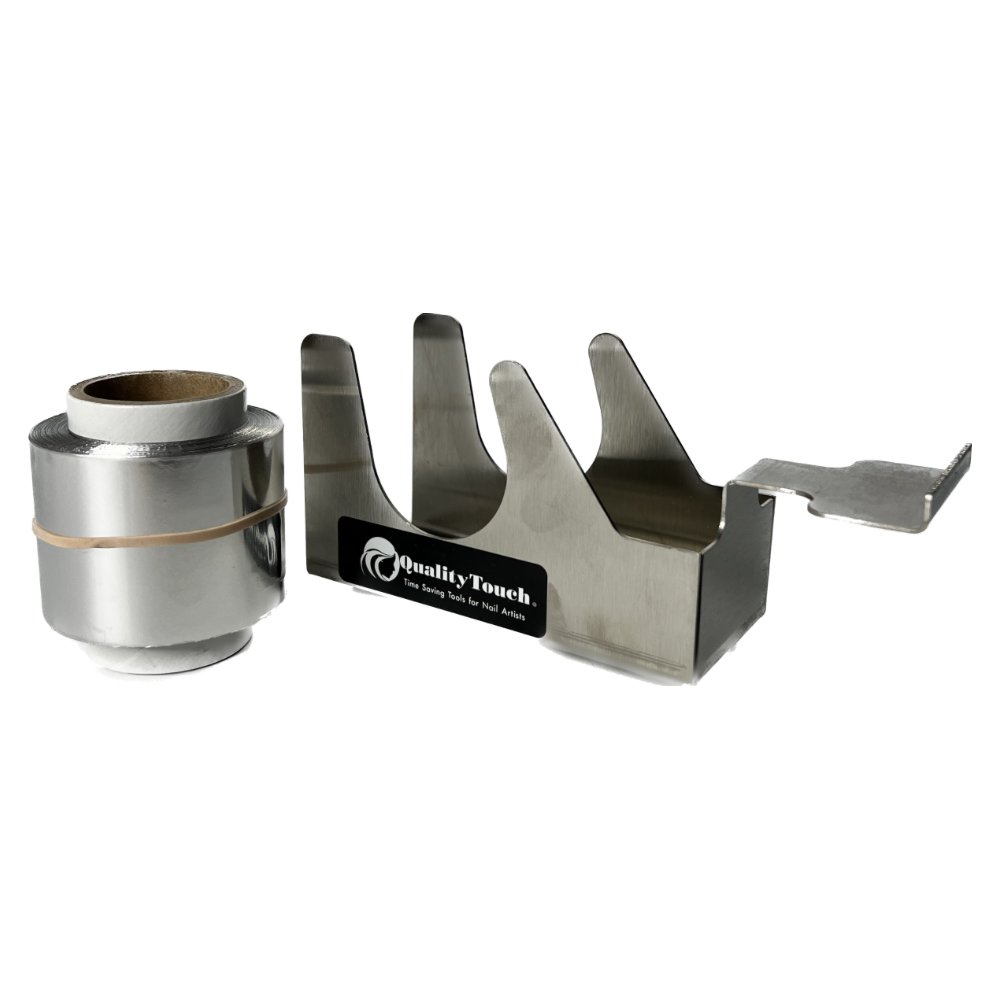
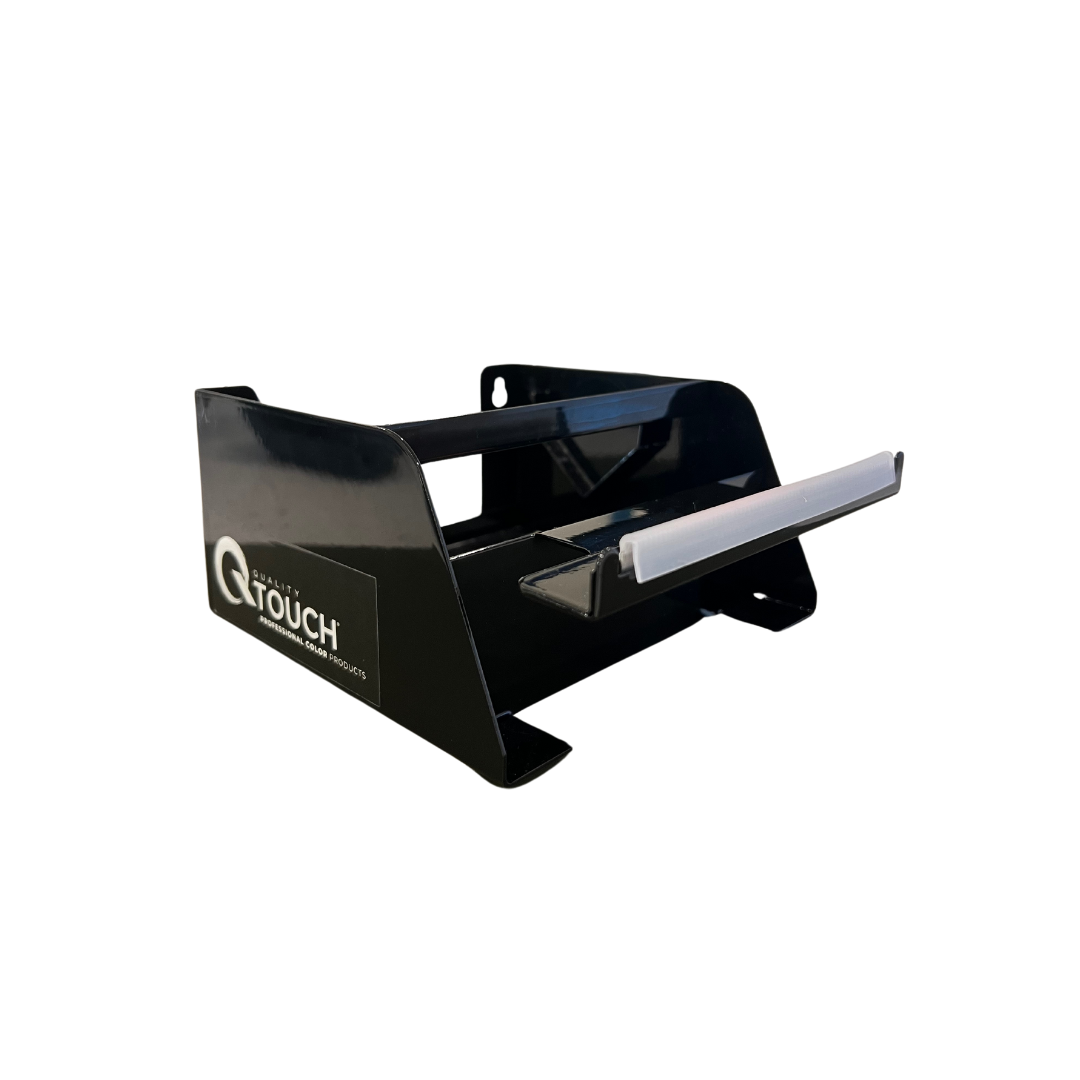
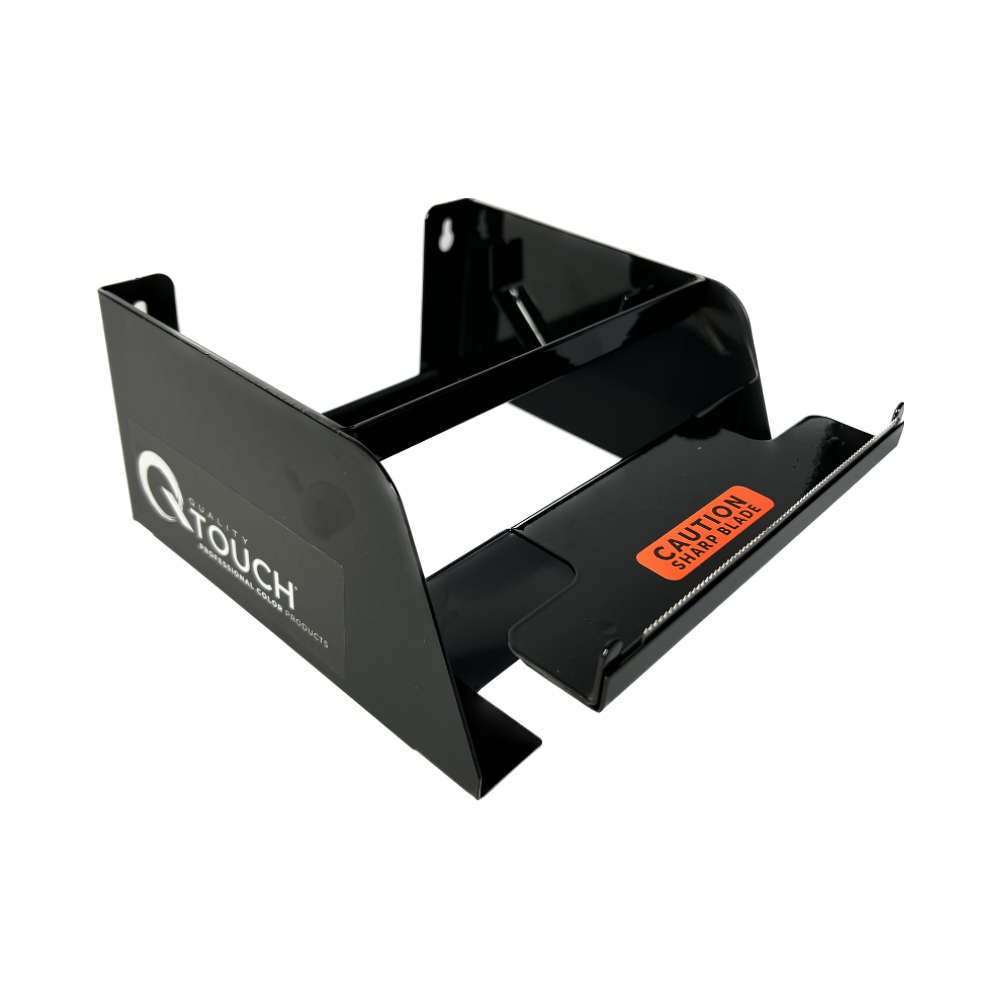
Quality Touch’s Tools Collection is a helpful place to start when building a consistent setup for stylists in your salon. If your salon uses rolled foils and films, the Rollmate 1 gives new stylists a clean, simple way to pull and cut what they need without pre-tearing stacks of foil.
For stylists that are constantly employing multiple techniques, the Rollmate 2 can be especially helpful because it holds two rolls at once. That means they can practice switching between materials without stopping the flow of the service. This tool is the ultimate hack for flexibility.
The easier the setup is to understand, the easier it is to train.
3. Teach Tool Choice Early
One common mistake in training is teaching the service steps without teaching why certain tools are used.
New stylists may learn how to apply color, but not always how to choose the best brush, foil, film, or clip for the job.
That matters.
The right tool/product can make application cleaner, sectioning easier, and timing more predictable. The wrong one can create frustration, waste, and inconsistent results.
Start by teaching simple decisions:
● When to use foil vs. film
● When visibility matters
● When grip matters
● When a small brush is better than a larger brush
● How to keep clean tension and control during application
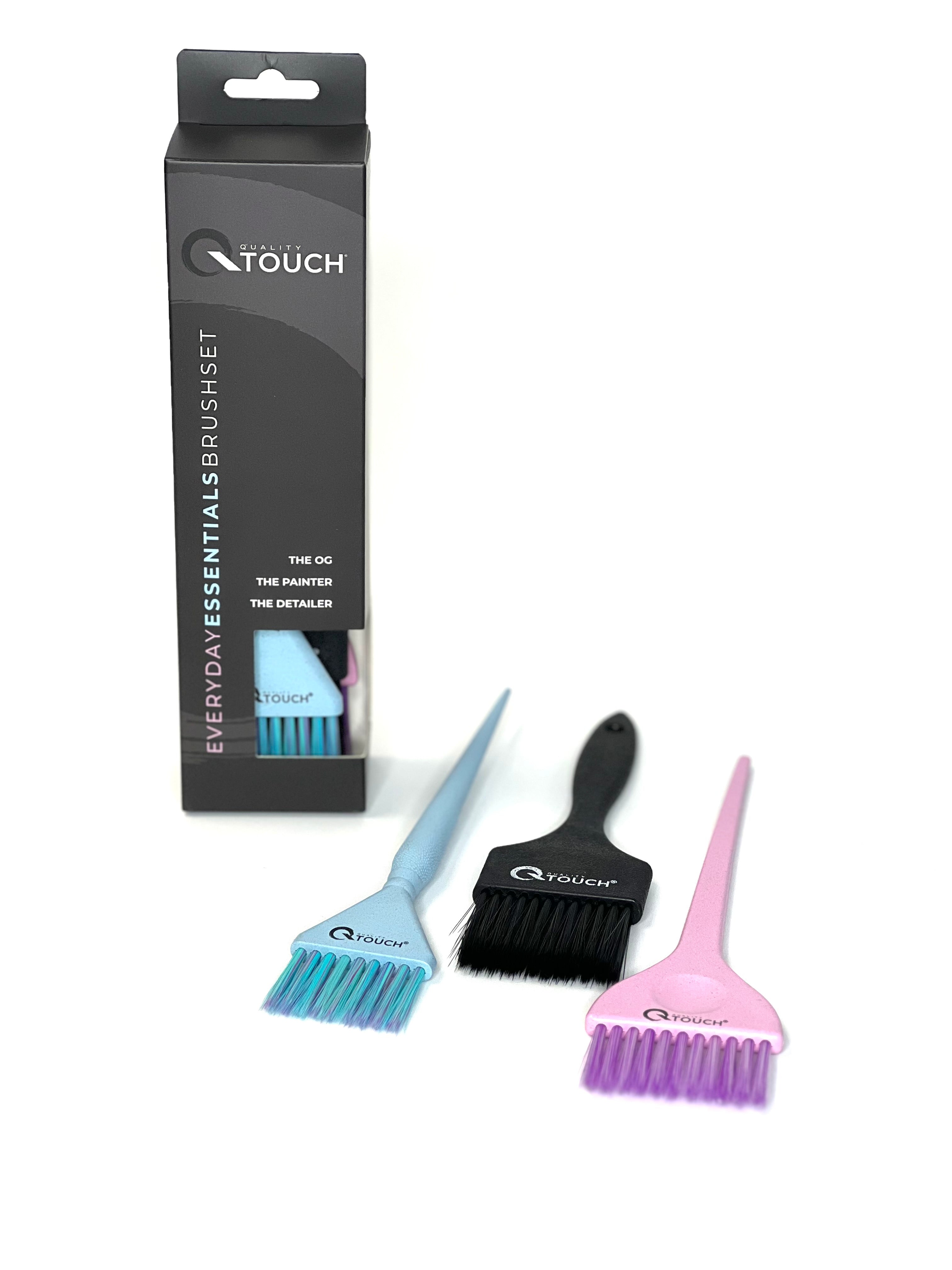
For brushes, the Everyday Essentials Brush Set Bundle gives stylists a practical set of options for everyday color work. For more precise placement, the Detailer Color Brush Two Pack can help new stylists practice control and smaller detail work.
For sectioning, Bite Me Clips are useful for teaching clean, secure sections during color, cutting, and styling.
When new stylists understand the “why” behind the tools and products, they become independent faster.
4. Create Mini Training Moments
Training does not always need to be a full class.
In a busy salon, short, focused training moments are often more realistic and more effective.
Try building mini lessons around specific skills:
● How to set up a color station
● How to section for a partial highlight
● How to mix and measure accurately
● How to document a formula
● How to clean and reset between clients
● How to discuss goals and expectations with a client
● How to assist without interrupting another stylist
Keep each lesson short and practical.
One skill. One demonstration. One chance to practice. One piece of feedback.
That is much easier for the team to manage and digest than trying to teach everything at once.
5. Use Shadowing With a Purpose
Shadowing is helpful, but only when it has structure.
If a new stylist is just standing nearby watching, they may not know what to focus on. And if the senior stylist is busy, they may not have time to explain every move in the moment.
Give shadowing a specific goal.
For example:
● Today, watch how the consultation is handled.
● Today, watch how the stylist sections for a certain placement.
● Today, watch how to use this foiling tool to be more efficient during color services.
● Today, watch how the stylist resets between clients.
● Today, watch how timing is managed when the stylist has multiple clients.
After the service, ask the new stylist what they noticed.
This turns shadowing into active learning instead of passive observation.
6. Standardize the Basics Before Teaching Advanced Work
It is tempting to jump into the fun stuff.
Creative color. Big transformations. Advanced blonding. Social-media-worthy techniques.
But new stylists need a strong foundation first.
Before they move into more advanced work, make sure they can consistently handle the basics:
● Clean sectioning
● Proper saturation
● Accurate mixing
● Safe tool handling
● Organized station setup
● Clear client communication
● Formula documentation
● Efficient cleanup
● Basic foil and film placement
Once the basics are covered, the more advanced techniques become easier to master.
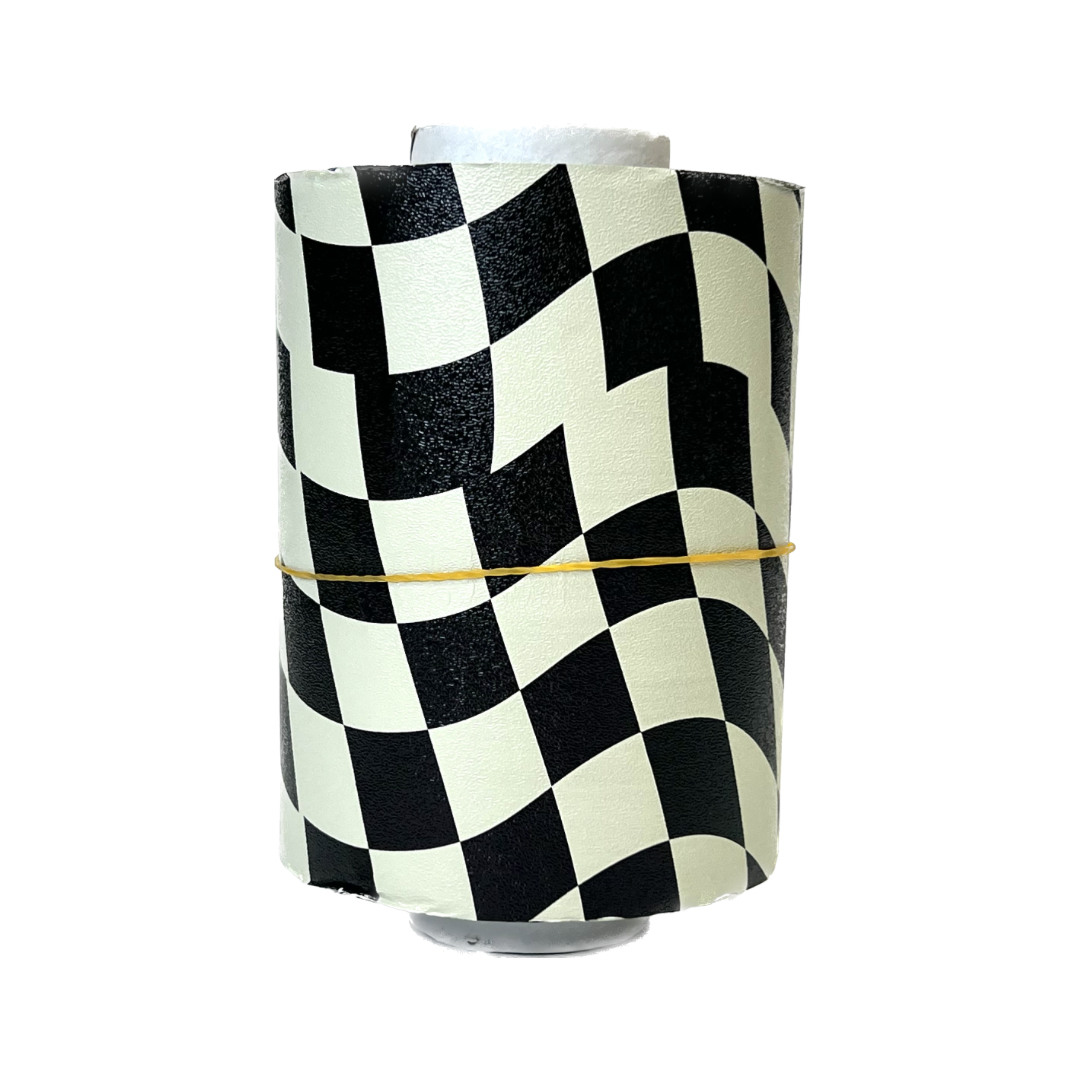
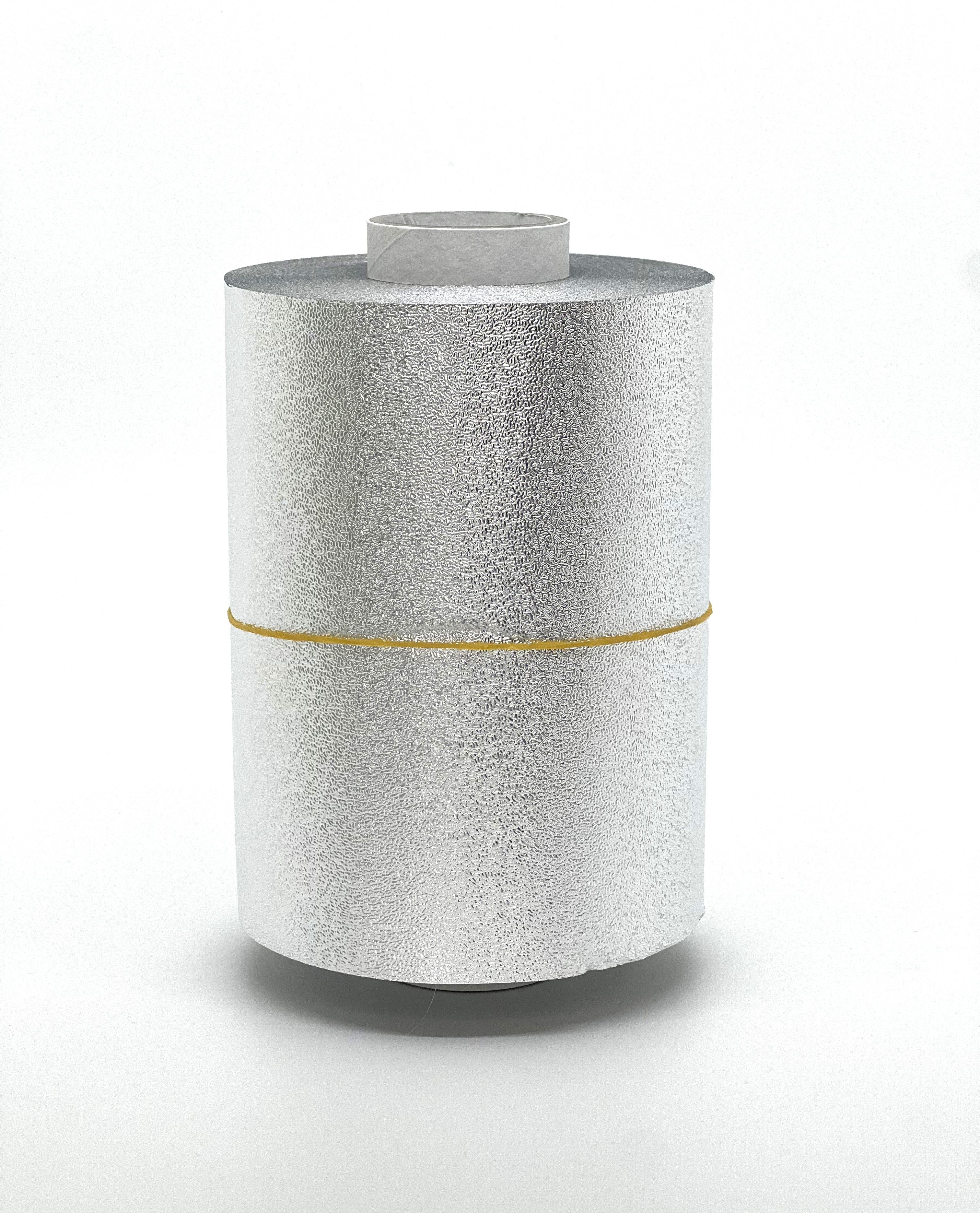
Products like Silver Smooth Foil, Balayage Film, and REVEAL Transparent Film can support hands-on practice across different services and techniques.
Use them to teach the differences between materials, not just the steps of the service.
7. Build an Education Resource List
Your team should not have to reinvent education every time someone new joins.
Create a simple resource list for new stylists.
It can include:
● Your salon’s internal checklists
● Formula tracking templates
● Service timing guidelines
● Favorite technique videos
● Product and tool guides
● Salon standards for prep and cleanup
● Recommended blogs or education resources
Quality Touch’s blog, Free Online Education Every Hair Stylist Should Know About, is a useful resource to share with stylists who want to keep learning without adding expensive or overwhelming training to their schedule.
You can also point new team members to practical workflow-focused posts like How Quality Touch Products Can Boost Your Salon’s Productivity or Where Stylists Lose Time and Money Without Realizing It.
The easier it is to find helpful information, the less pressure there is on one senior stylist to explain everything.
8. Protect Your Senior Stylists’ Time
Your experienced stylists are valuable.
They can teach a lot, but they should not have to carry the entire training process informally while also managing a full book.
Protect their time by creating structure.
That might mean:
● Assigning specific training topics to specific people
● Creating weekly 15-minute education moments
● Using checklists so expectations are clear
● Having new stylists practice setup and cleanup before assisting
● Creating a clear path from observation to hands-on work
● Giving senior stylists time to debrief instead of expecting constant coaching
Training should support your team, not drain them.
9. Celebrate Progress, Not Perfection
New stylists are going to make mistakes.
They will move slowly. They will ask questions. They will need reminders. They will probably overthink things.
That is normal.
The goal is progress.
Celebrate when they set up their station correctly. When their sectioning gets cleaner. When they choose the right product without asking. When they remember to document a formula. When they clean up faster. When they explain a process clearly. When they have a successful consultation.
Confidence builds through small wins.
And confident stylists become stronger, faster, and more independent over time.
Final Thoughts: Better Training Starts With Better Systems
Training new stylists faster does not mean rushing them.
It means giving them clear systems, consistent tools, practical education, and a team structure that supports learning without overwhelming everyone else.
When new stylists know what to do, where things go, how services flow, and why certain tools matter, they can grow with more confidence.
And when your senior stylists are supported with repeatable training systems, they can teach without feeling like everything depends on them.
Start simple.
Standardize the station. Teach the tools. Create mini lessons. Build a resource list. Protect your team’s time.
That is how you train stronger stylists and keep the salon running smoothly.
Ready to build a better setup for your team? Explore Quality Touch’s professional salon tools, foils, films, brushes, clips, and accessories designed to help stylists work smarter behind the chair.
Happy coloring!

